Essential Information at a Glance
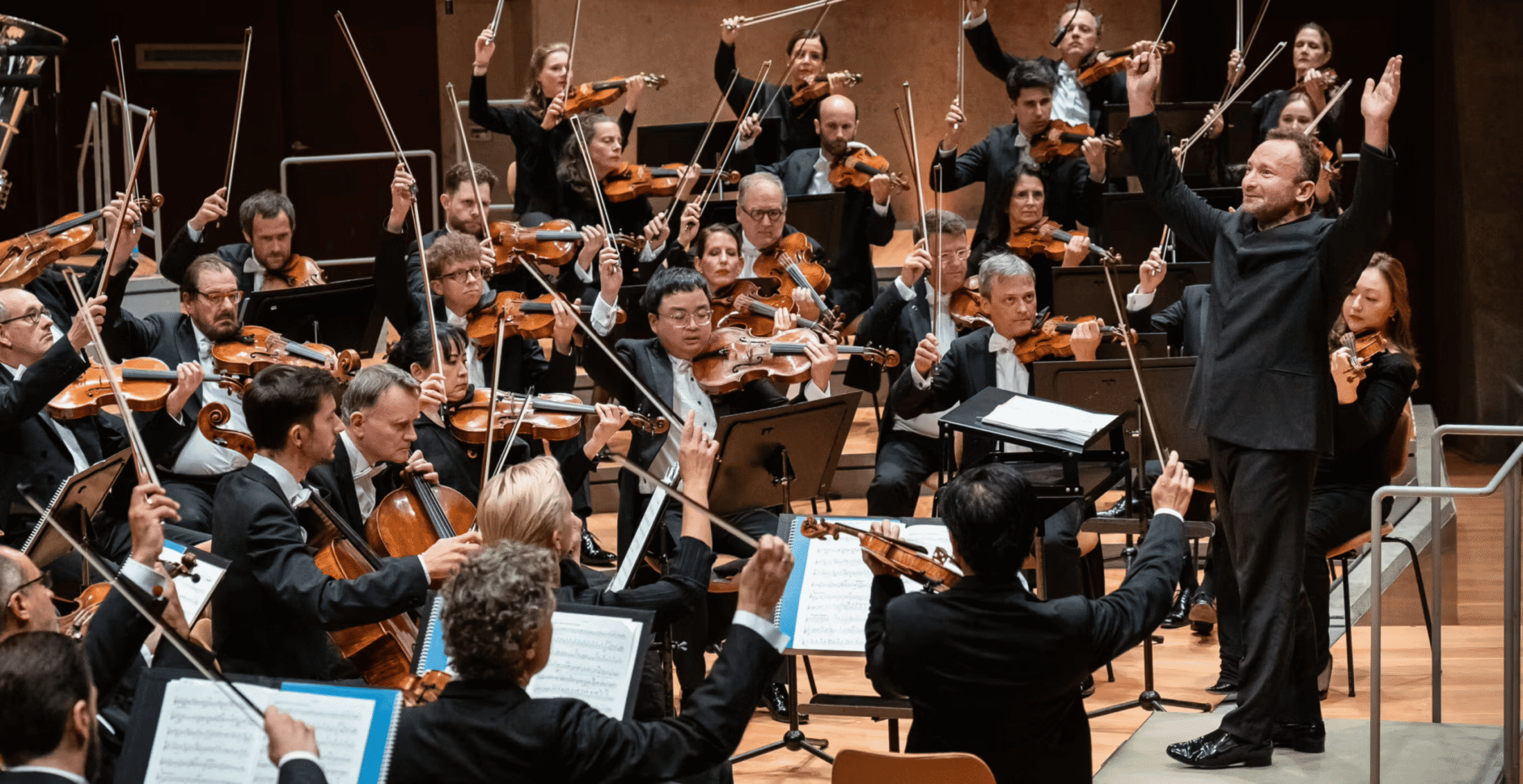
• The Salzburg Easter Festival was founded in 1967 by conductor Herbert von Karajan together with the Berliner Philharmoniker.
• It take place during the Easter period, traditionally lasting around ten days, from the weekend of Palm Sunday through Easter Monday.
• It is an exclusive, opera-centred classical music festival featuring world-class musicians, orchestras, conductors and soloists at the highest international level.
• Performances are held in Salzburg’s most renowned historic festival venues, including the Großes Festspielhaus, Haus für Mozart and Felsenreitschule.
• It offers a carefully curated programme focused on artistic depth, combining opera productions with symphonic, orchestral concerts and contemporary formats with international artists.
• Ideal for international music lovers, cultural travellers and guests seeking a refined festival experience rooted in tradition and excellence.
The Vision Behind the Easter Festival
From its inception, the Salzburg Easter Festival was conceived as a festival shaped by artistic intention rather than quantity. Herbert von Karajan envisioned an event that would allow music to unfold with clarity and concentration, free from the density and pace of larger festivals. As a conductor, he understood orchestral sound as something deeply personal and shaped by interpretation rather than mechanics:
“Orchester haben keinen eigenen Klang; den macht der Dirigent” (Herbert von Karajan), meaning that orchestras have no sound of their own; it is created by the conductor.
The choice of Easter as the festival period was deliberate. Karajan recognised Easter as a time of reflection, renewal and heightened emotional awareness, an ideal setting for sacred music, monumental works and the great Easter repertoire of Western classical tradition. In this sense, the Salzburg Easter Festival is not simply an extension of the Salzburg Festival, but a counterpart rooted in a different emotional and spiritual landscape.
Structure of the Festival Program
The Salzburg Easter Festival follows a carefully curated programme structure that prioritises artistic depth over breadth. Each edition is built around a central musical idea, ensuring a clear thematic focus. Opera, orchestral concerts and complementary formats are closely connected, creating a coherent narrative across the festival days.
In the current edition, this structure once again allows audiences to experience great works of classical music from multiple perspectives, united by a shared artistic vision, as reflected in the official Salzburg Easter Festival programme 2026. The artistic vision for 2026 is closely linked to the Berliner Philharmoniker, whose return to Salzburg recalls the formative years of the Salzburg Easter Festival.
The Opera as the Centerpiece
At the heart of every Salzburg Easter Festival edition stands one major opera production, which defines the artistic framework of the festival. This year’s centrepiece is Wagner’s “Das Rheingold.” The opera is not only the highlight of the programme, but also its conceptual anchor, influencing repertoire choices, orchestral concerts and interpretative approaches throughout the festival.
Orchestral Concerts and Complementary Formats
Alongside the opera production, symphonic music plays a central role at the Salzburg Easter Festival. Large-scale orchestral concerts, chamber music performances and selected complementary formats deepen the festival’s musical narrative. Special projects, such as interdisciplinary formats officially included in the programme, add further dimensions and invite audiences to experience classical music in new and inspiring contexts.
Großes Festspielhaus
The Großes Festspielhaus serves as the festival’s main venue in Salzburg and architectural centrepiece. Known for its monumental scale, clean lines and exceptional acoustics, it provides the ideal setting for opera and symphonic works. Its spacious stage and audience area allow for powerful musical experiences while maintaining clarity and balance in sound.
Additional Festival Venues
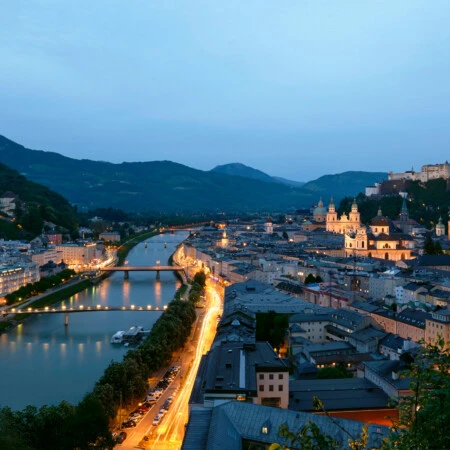
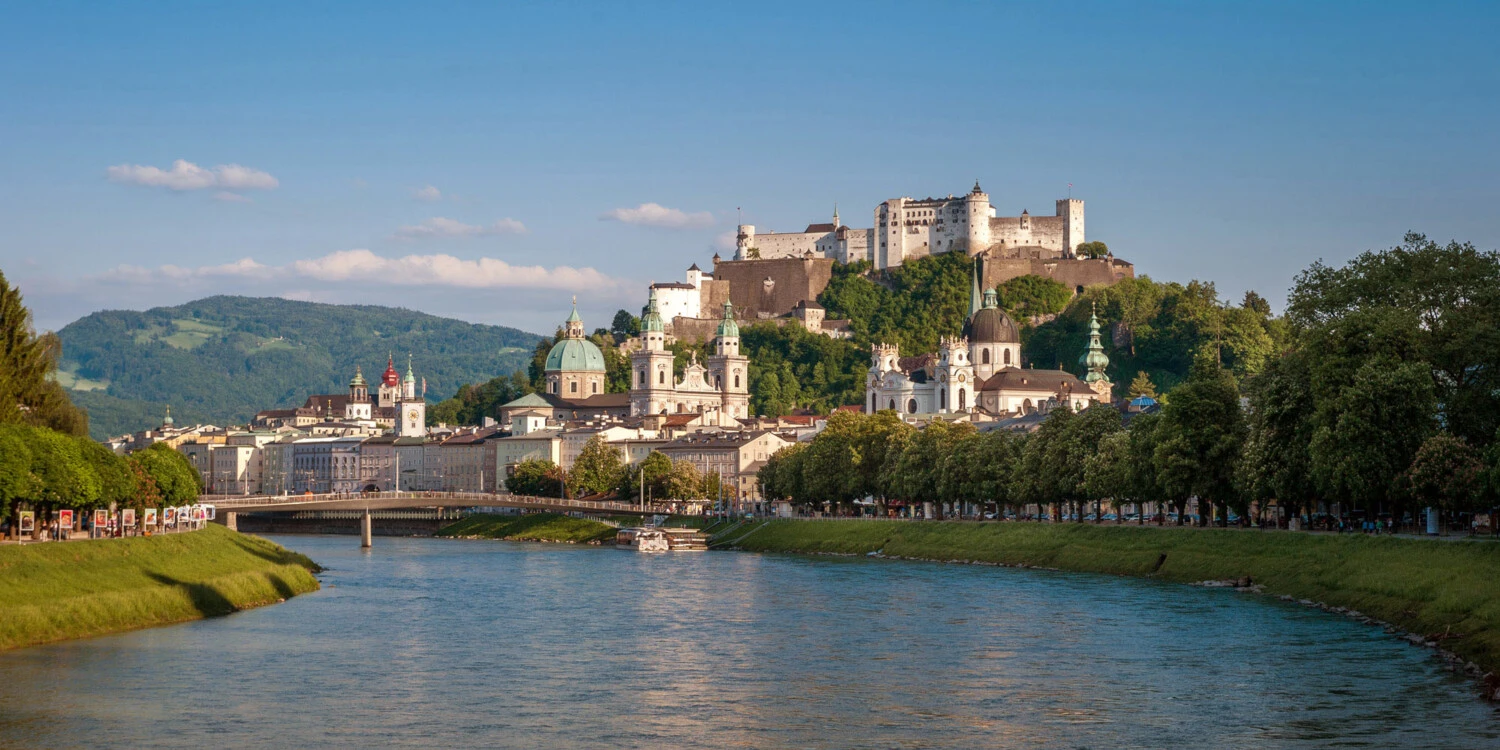
Beyond the Großes Festspielhaus, performances also take place at renowned historic venues such as the Haus für Mozart and the Felsenreitschule, as well as selected locations including the Solitär, Mozarteum and Szene Salzburg. Set within Salzburg’s Old Town, a UNESCO World Heritage Site, these venues connect the festival seamlessly with the city’s historic and cultural landscape.
Planning Your Visit – Tickets, Timing and Expectations
Thoughtful planning is key to fully enjoying the Salzburg Easter Festival. With limited ticket availability and a carefully curated programme, preparing in advance ensures access to preferred performances while allowing the festival experience to unfold with ease and anticipation.
Ticket Availability and Demand
Tickets for the Salzburg Easter Festival are limited and in consistently high international demand, with many performances — particularly the central opera production — selling out in advance. Early booking is therefore strongly recommended. The festival offers a range of ticket options, including opera performances, symphonic concerts, chamber music events and officially programmed special formats, with different seating categories and price levels available.
Tickets can be purchased via the official online ticket shop or through the festival’s box office at Wiener-Philharmoniker-Gasse 3, open Monday to Friday from 9:00 am to 1:00 pm, and daily during the festival period until one hour before curtain up. Ticket prices range from approximately €10 for selected reduced categories to premium categories in the range of several hundred euros for highly sought-after performances. For enquiries, the box office team can be reached via tickets@osterfestspiele.at or by phone at +43 662 8045-361. All further ticket and booking information can be found online.
Members of the Association of Patrons, a circle of dedicated supporters who sustainably support the Salzburg Easter Festival, benefit from priority booking and guaranteed best seats. Young supporters under the age of 35 may join the association at a significantly reduced rate and, through the Young Patrons Programme, also gain access to pre-sale rights and discounted prices. In addition, depending on the performance, further discounts are available for young audiences, S-Pass holders and Ö1 Club members.
How Many Days to Plan
The Salzburg Easter Festival typically unfolds over several days during Holy Week, making a stay of three to five nights ideal. This allows guests to enjoy opera and concerts at a relaxed pace while experiencing Salzburg in early spring. The city has the great benefit of proximity. There are short walking distances, meaning no transfers, no time pressure and a seamless festival experience.
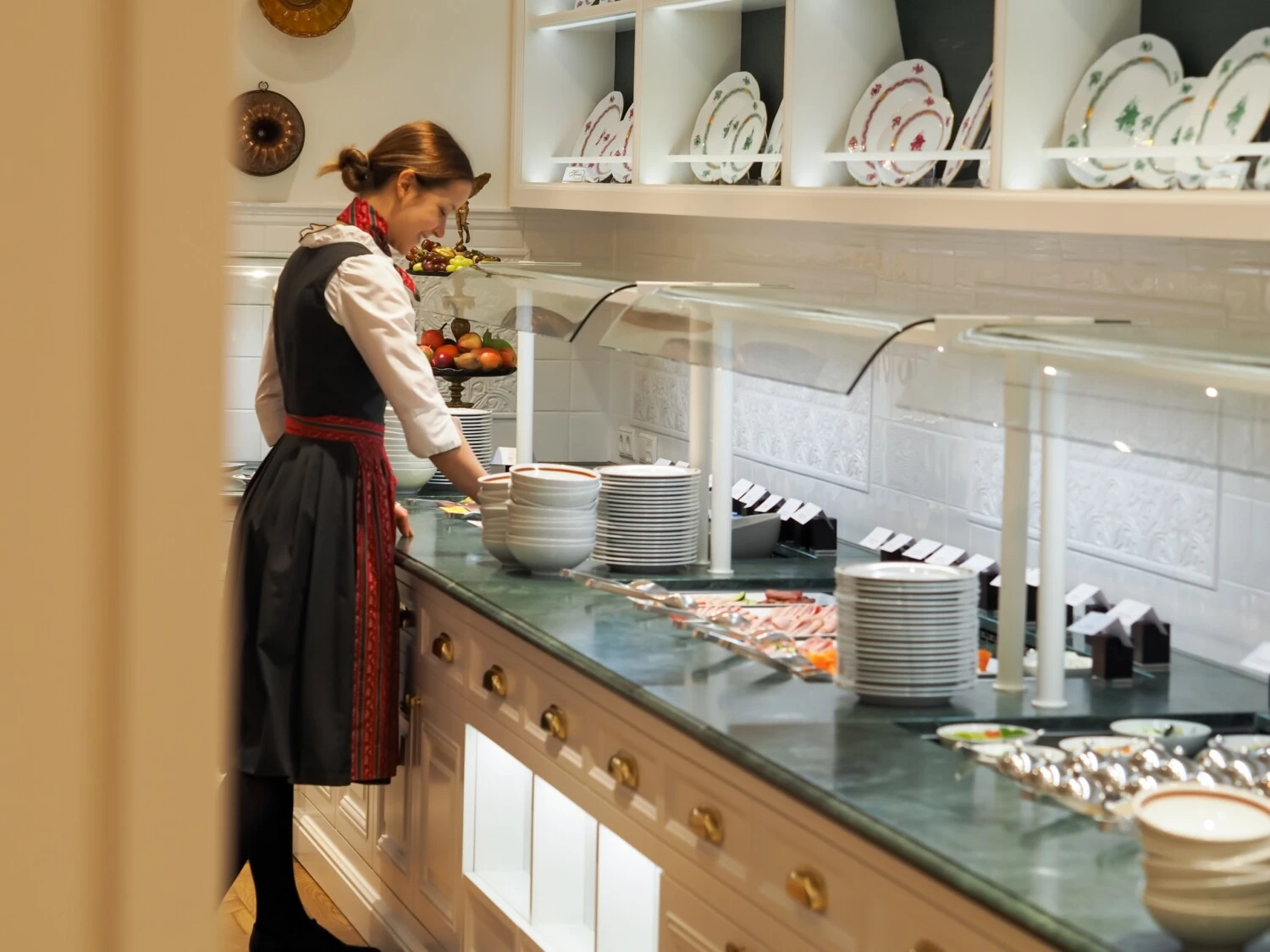
For guests seeking accommodation within immediate walking distance of the festival venues, Hotel Sacher Salzburg offers a tranquil retreat in the heart of the Old Town. Its rooms and suites provide a calm counterpoint to the cultural programme, with each day beginning with the renowned Sacher Buffet Breakfast.
Dining Before and After Performances
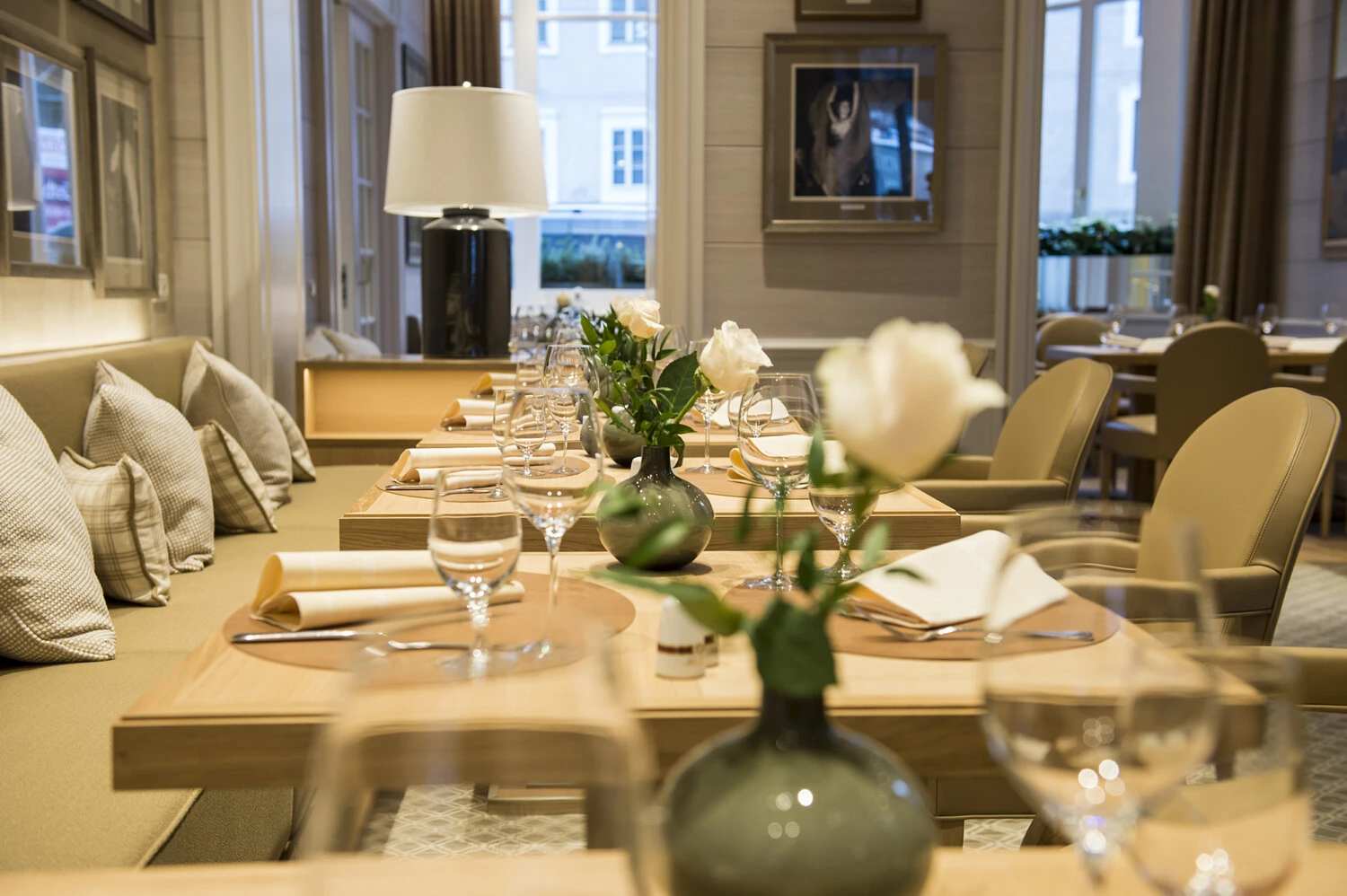
A well-chosen dinner frames an evening at the Salzburg Easter Festival perfectly. Hotel Sacher Salzburg offers two restaurants you should not miss:
• The Restaurant Sacher Grill offers classic Austrian cuisine, interpreted with contemporary finesse. It is ideal for a relaxed yet refined meal before or after a performance.
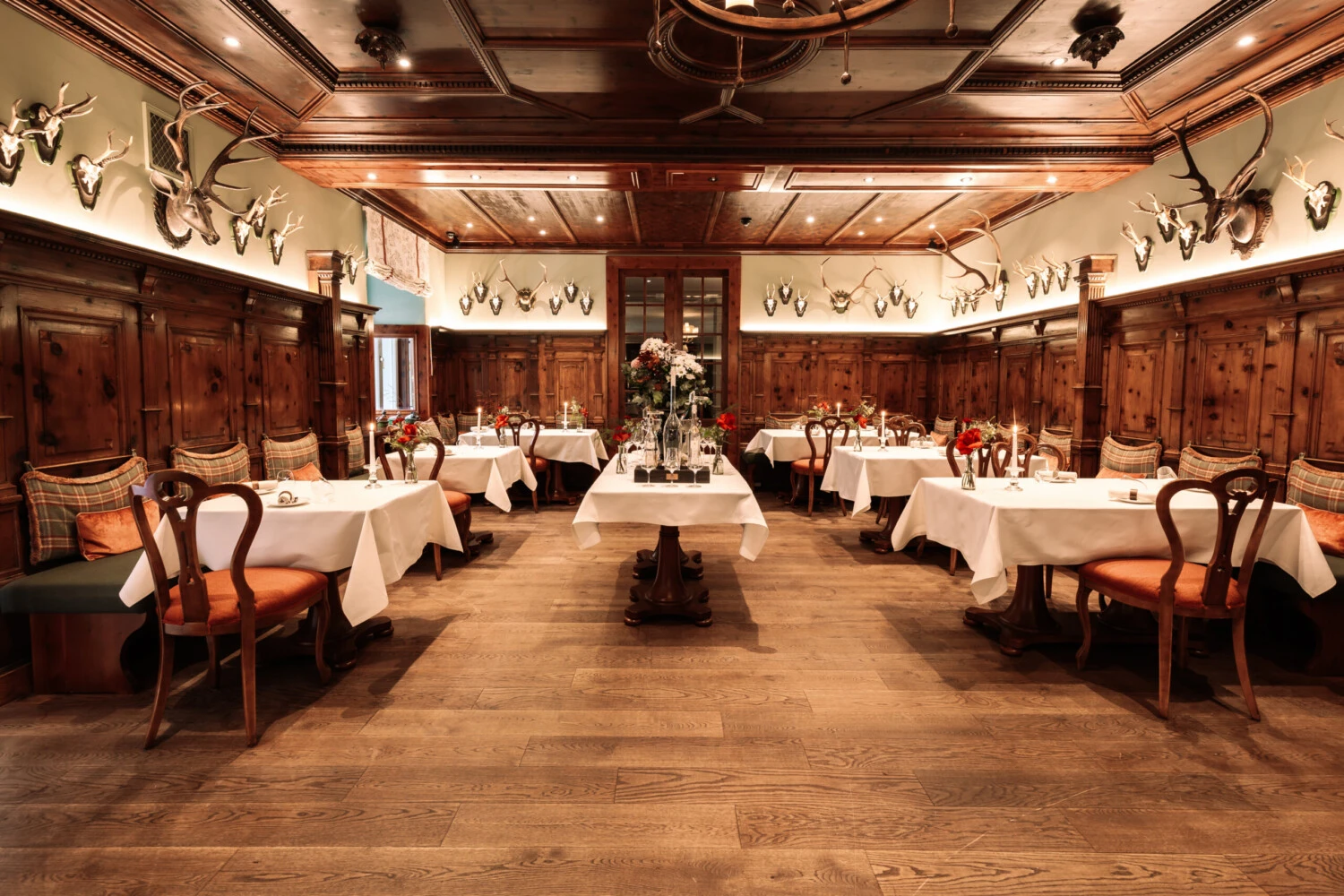
• The Restaurant Zirbelzimmer, preserved in its original condition since 1866, invites guests to enjoy intimate fine dining in a warm, elegant setting, defined by craftsmanship and regional character. An experience not to be missed!
During the festival period, restaurant opening times are thoughtfully aligned with performance schedules. Make sure to check online in advance. For more dining inspiration, see our guide on what to eat in Salzburg.
Between Performances – Where to Pause
Salzburg offers a couple of nice coffee houses to enjoy between rehearsals, concerts and opera performances. For example, the Café Sacher Salzburg is a beautiful meeting point for coffee breaks, light lunches or a slice of Original Sacher-Torte.
Insider tip: During the Easter period, Salzburg’s Easter markets are well worth a visit. The market at Mirabellplatz, with views of Mirabell Palace and the Hohensalzburg Fortress, is a particularly atmospheric addition to the festival experience.
After the Concert – Letting the Evening Settle
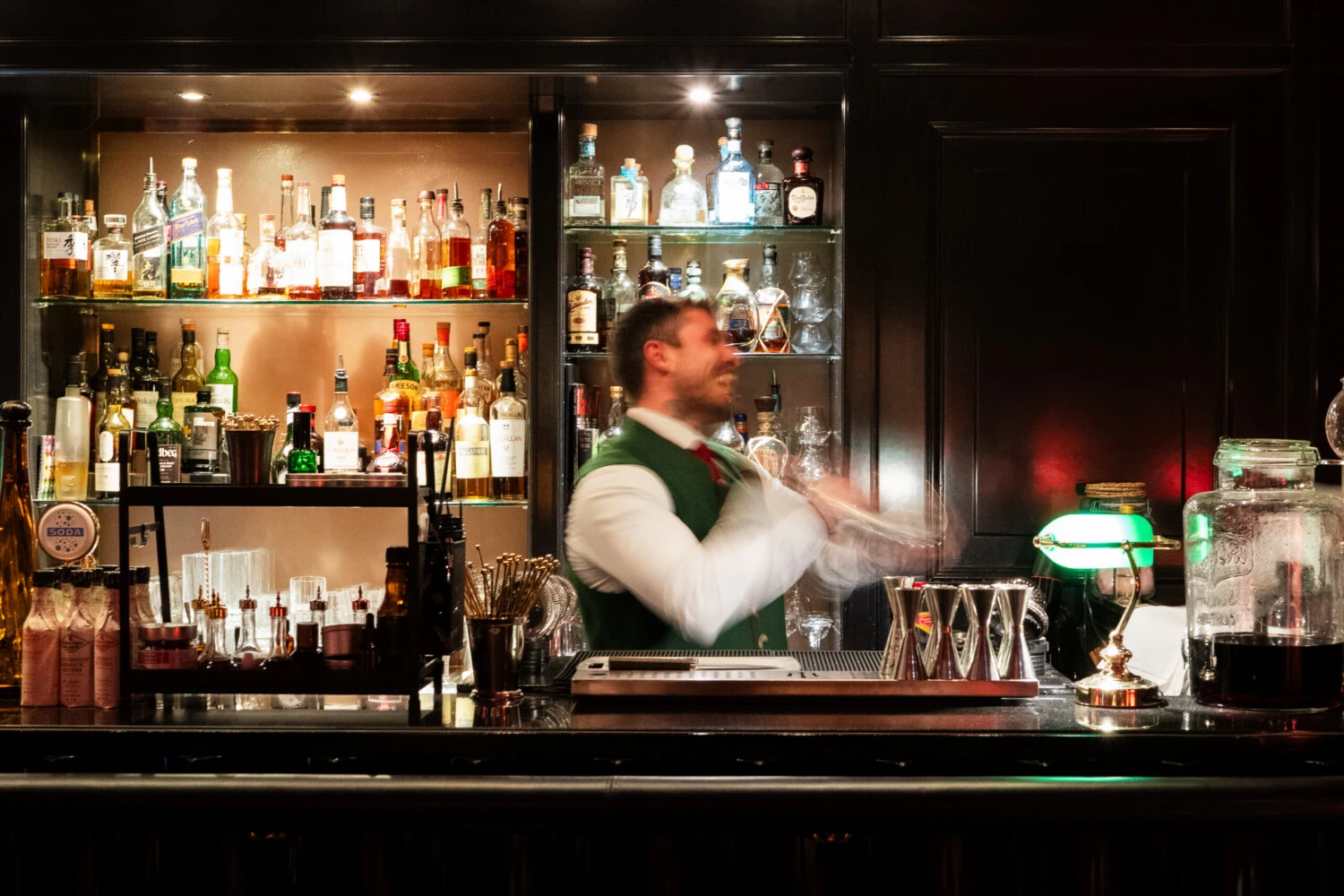
As the music gently comes to a close, the Sacher Bar provides an intimate setting to enjoy the rest of the evening. Just a short walk from the city’s main venues, it is an ideal place for late drinks and reflection on the performance.
Plan Fewer Performances – and Experience Them Better
The Salzburg Easter Festival is designed for depth, not density. Rather than filling every day with a full performance schedule, we recommend selecting fewer concerts and operas and allowing space in between. Time for reflection, whether over a walk through the Old Town or a coffee break, enhances the musical experience.
Choose Your Seat and Your Evenings with Intention
Seating plays a crucial role in how music is experienced. Thoughtful seat selection ensures optimal sightlines and acoustics, particularly for opera productions. Equally important is choosing the right time of day: evening performances often suit those who enjoy a sense of occasion, while afternoon concerts can feel lighter and more contemplative. Planning with intention allows the festival to unfold in a way that feels balanced and personal.
When does the Salzburg Easter Festival take place?
The festival dates are traditionally from the weekend of Palm Sunday through Easter Monday, which means the next one will take place from 27 March to 6 April 2026.
How long does the Salzburg Easter Festival last?
Approximately ten days.
What kind of music is performed?
Classical music at the highest international level, with a strong focus on opera and symphonic works.
When should tickets be booked?
Ideally several months in advance, as some performances sell out early.
How formal is the dress code?
Cocktail attire or classic evening elegance is appropriate; no strict formal dress code applies.
How many days should you plan for the festival?
Three to five days are ideal to enjoy the performances while also experiencing Salzburg’s culture, cuisine and relaxed spring atmosphere.